Google’s Pixels are simpler than the iPhone now

Over the past week, I’ve been using the Google Pixel 9 series and have largely overlooked its AI features. While these features range from mildly useful to somewhat gimmicky, what truly stands out is how refreshingly straightforward Google’s Android software has become.
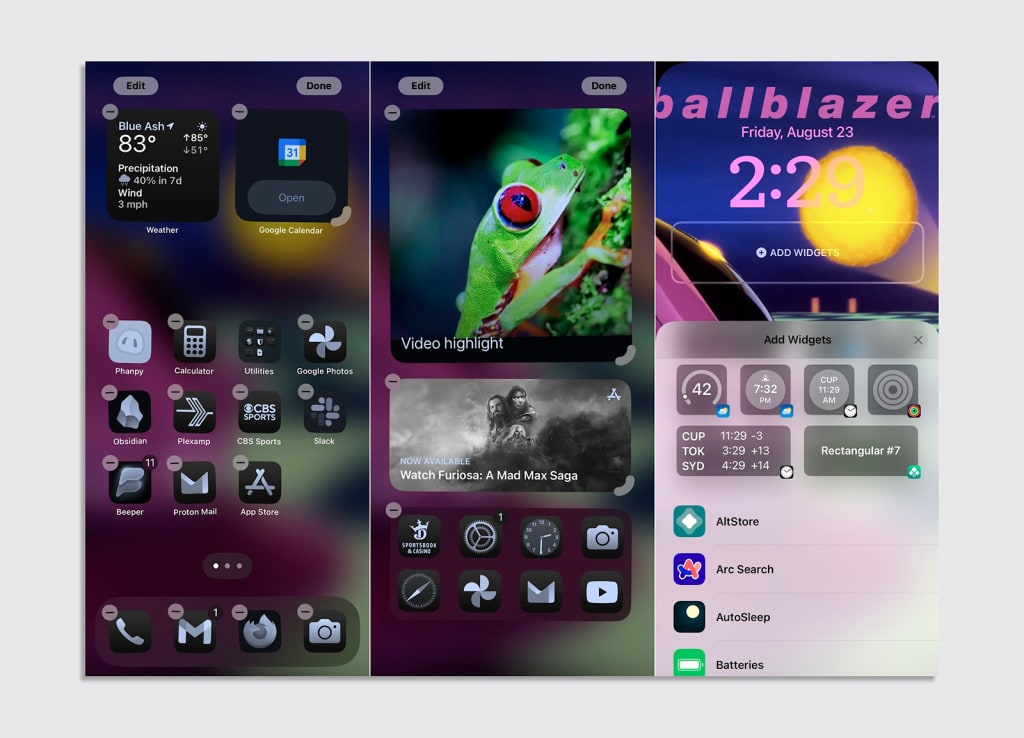
In contrast, Apple's iOS has evolved into a more complex and layered experience. The iPhone’s interface now features multiple widget systems and a labyrinth of controls that often seem to conflict with each other. For instance, managing widgets has become a chore with separate systems for the lock screen, home screen, and Today View.
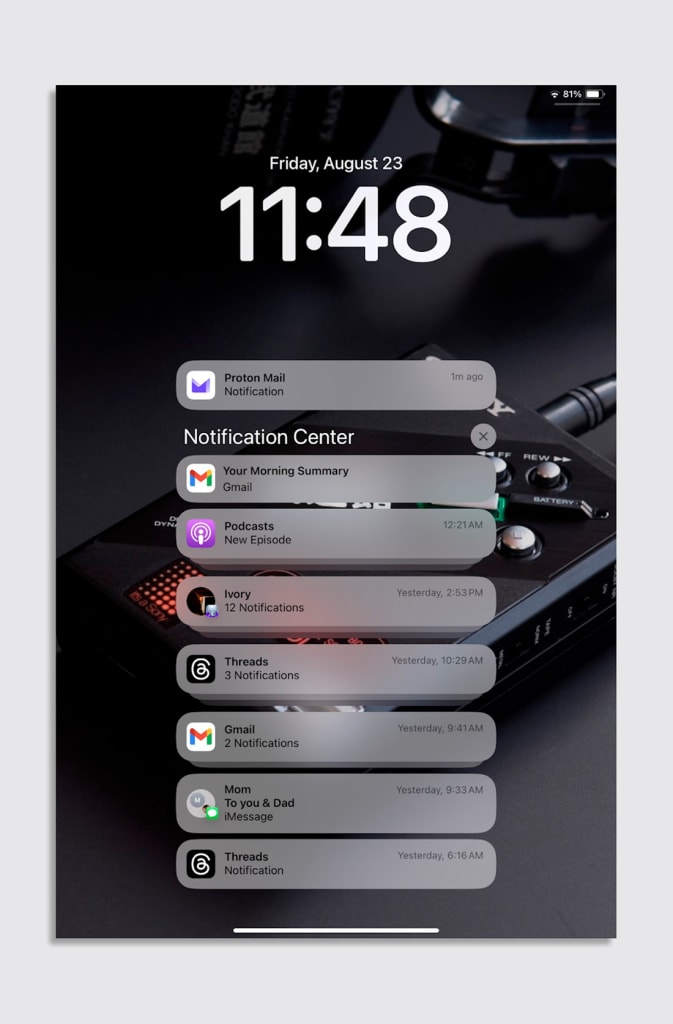
The notification system is equally convoluted, with redundant notifications and a cluttered clearing mechanism.
Android, on the other hand, has streamlined these elements. The Pixel 9 series offers a single, cohesive notification and quick settings menu. Swiping down from anywhere on the top edge of the screen provides instant access to both notifications and quick settings, eliminating the need for multiple swipes or different menus.
The Pixel’s Do Not Disturb mode is another example of this simplicity. Instead of the numerous Focus modes found in iOS that require individual setup for different activities, Android offers a singular, straightforward Do Not Disturb mode that can be scheduled with basic rules for quiet times.
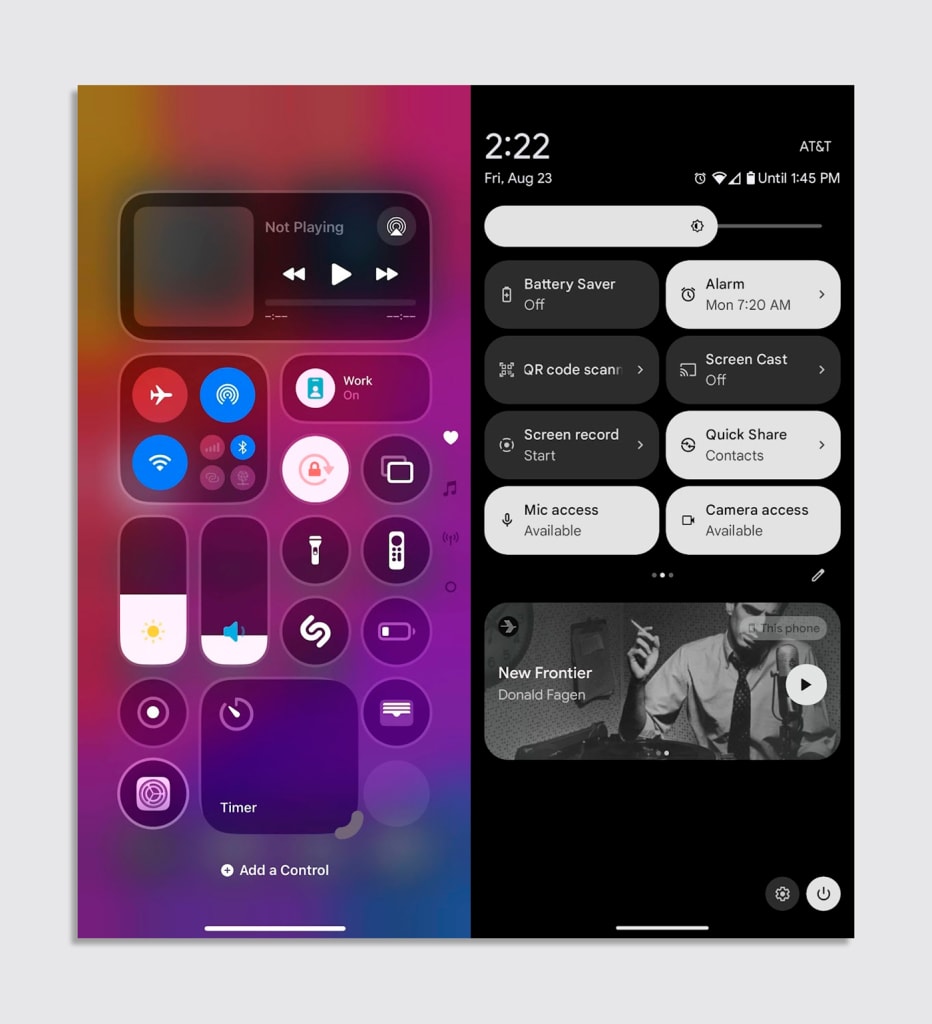
As iOS 18 introduces even more layers of complexity, such as a split Control Center and resizable widgets, the Pixel 9’s clean interface highlights how Android has managed to simplify its software without sacrificing functionality. This shift marks a reversal from the days when Android was known for its customization complexity and iOS for its simplicity.
In essence, the Pixel 9 series embodies a return to simplicity in smartphone software, proving that while hardware specifications continue to advance, it’s the ease of use that can truly set a device apart.